These moths are actually quite ingenious, but a nuisance, as the larva are able to crawl to different parts of the pantry or even “migrat[ing] distant locations” before pupating (changing and growing stages). This means that they can confuse home owners and Pest Management Professionals about where the source of the infestation is located.
Indianmeal moths, both the larvae and the adult, can easily damage stored products. The most common form of damage is when the larvae spin massive amounts of silk on food products because their fecal pellets, cast skins, and egg shells can accumulate on the silk.
As you can tell, because these pests are so pesky they can be hard to first: locate, second: identify, and third: treat. Paffy’s Pest Control has dealt with these buggers before. Our pricing is affordable and based on square footage across the board.
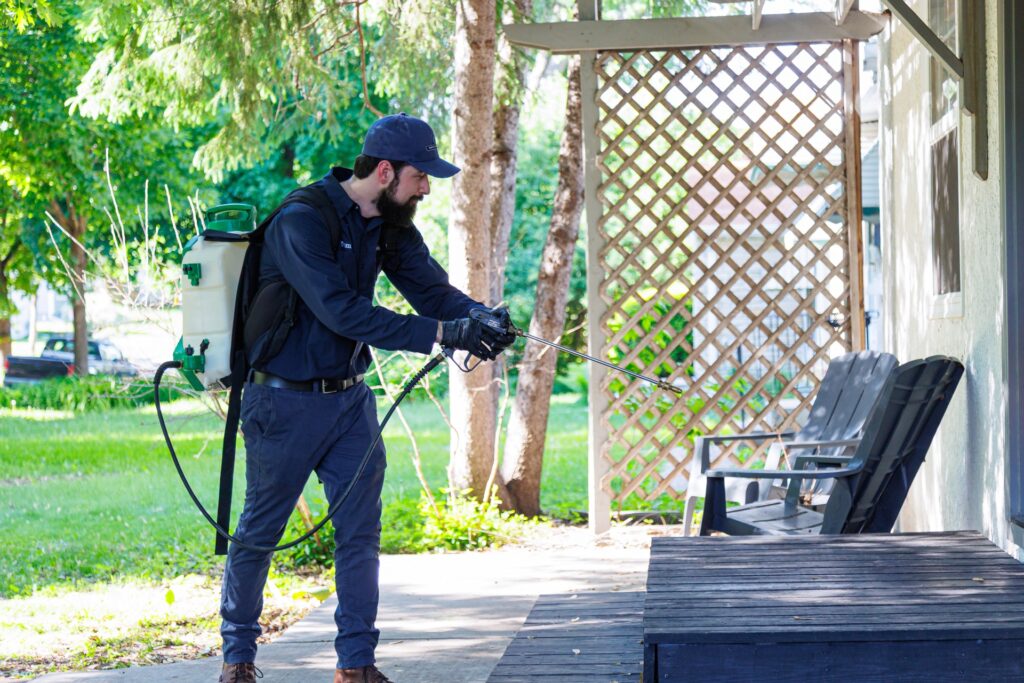
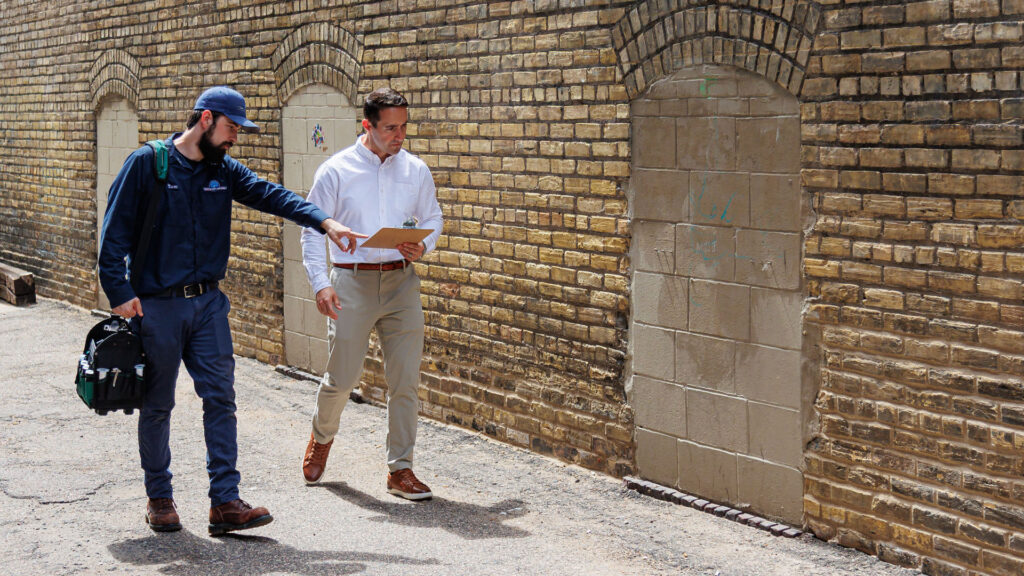
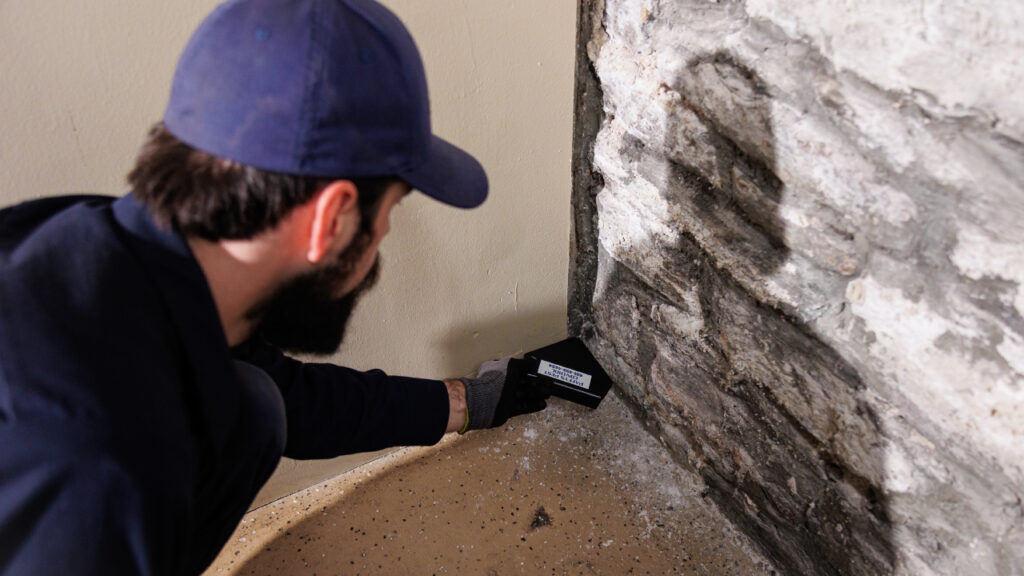
Once the technician comes out to assess the situation and verify if you do have Indianmeal moths, he will use any number of treatment methods interchangeably. These are some common methods: pheromone sticky traps, and sanitation.
Once the source has been found and removed, the technician will apply a safe chemical pesticide in and around the cabinets where they were found. He will also place pheromone traps to catch the adults. This service will eliminate the moth problem, and just in case we have a 3-month warranty attached so if you notice anything after a couple weeks, give us a call.
The Indianmeal moth larva exhibits a unique feeding behavior, as it feeds from the outside of a kernel before burrowing inwards to access the nutrients within. Occasionally, you might discover these larvae nestled within the protective shell of various food items. They have a particular affinity for a diverse range of products, and have been found thriving in grain products, seeds, dried fruit, dog food, and spices. Moreover, they are particularly notorious for infesting processed cereals, making them a common nuisance in many households that store these types of food items.